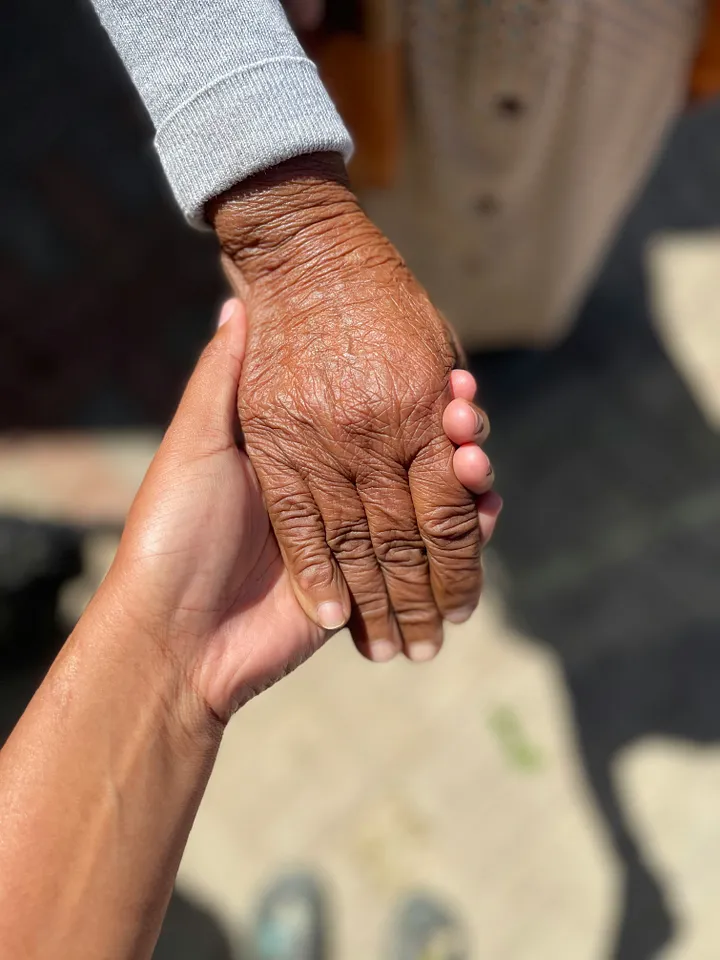
In the beginning, marriage feels like a thrilling adventure, filled with excitement and possibilities. Two partners embark on a shared journey; each step laced with anticipation. Over time, however, it transforms into a delicate dance; each partner becomes attuned to their own groove, navigating the familiar routine that holds their lives together. I take on the task of picking up the kids from school, while you handle the upkeep of the lawn, ensuring our home remains a sanctuary. You manage the mortgage, ensuring our financial foundation remains steady, while I take care of grocery shopping, stocking our kitchen with essentials for our family’s nourishment. Occasionally, I treat myself to a visit to the salon or an afternoon at the spa, indulging in those moments simply because I deserve a break, and “just because.” You, too, can find your own escape, enjoying time with the guys at the local humidor, savoring the camaraderie and the flavor of a hand-rolled Cuban cigar paired with a glass of cognac or scotch. This implicit agreement, the ebb and flow of daily obligations, creates a cadence in our lives. It may not always be the glamorous vision we once imagined, but it is a well-orchestrated balance that seems to work.
Yet, when illness seeps into the fabric of your partner’s life, that once harmonious dance begins to falter. “When they said their wedding vows, many of them promised to stand by one another in sickness and in health. But a new study suggests that as married couples age and develop chronic conditions, the daily demands of coping with their own health demands and those of their spouse may take a mental toll.” (In Sickness and in Health: Study Looks at How Married Couples Face Chronic Conditions | Psychiatry | Michigan Medicine, 2019)
Suddenly, the familiarity turns into an unsettling disarray, as chronic health issues disrupt the essential rhythm of your shared existence. The equilibrium that both of you nurtured with care and understanding becomes an unwelcome intruder, unraveling the threads of your togetherness. The once-safe haven of your life together now feels like a chaotic storm, with emotions swirling wildly, often drowning out reason. Everything, including the very essence of your marriage, feels off-kilter and confusing.
The life you once built—full of shared dreams and plans—now seems foreign and disconcerting. It is only natural to feel lost in this upheaval, struggling to adapt. You stand at a crossroads; caught between a longing to restore the love and stability of what you once had and the harsh reality of the unforeseen future that neither of you anticipated.
According to one research study, “Nearly half of all Americans live their day-to-day lives with at least one chronic illness as a companion. Cancer, diabetes, heart disease, chronic fatigue syndrome, Crohn’s disease, asthma, arthritis, lupus, sickle cell anemia, and a host of other conditions pillage millions of personal lives and marriages each year. Statistics show that over 75 percent of marriages plagued by chronic illness end in divorce.” (Cuppy, 2024)
It can be difficult to adapt to a spouse’s chronic illness. Sometimes, the condition necessitates adjustments to life plans for the future, and often it requires changes to your everyday life. Your spouse may no longer be able to work outside the home or to participate fully in household chores.
Welcome to the uncertain landscape of change, where every step forward feels like treading a tightrope over a cleft of unknowns.
- Communication is key. When people avoid discussing difficult, unsolvable problems, their relationships can wither, creating an emotional chasm and eroding the intimacy they once shared. The absence of these crucial conversations can breed a cold distance, leaving partners feeling isolated and alone. It’s essential to break the silence, to confront challenges head-on with open dialogue. This brave act is the first step toward not only solving problems but also forging a deep connection and unity through collaborative effort.
However, let me remind you that communication is a fragile tightrope. If a couple becomes engulfed in endless discussions about the illness, it consumes their lives. Yet, if they shun the topic entirely, it festers in the shadows. Striking the perfect balance is imperative and should be the goal. Seeking professional counseling can be helpful.
- Be flexible and adjust your mental outlook. For instance, a spouse coping with both high blood pressure and arthritis needs to make adjustments to their exercise routine, but a mate without such conditions could also commit to making those changes. Or a partner with diabetes who does most of the cooking and has a companion with prostate cancer could adopt a healthier diet for both of them.
- Don’t try to be a Superman or a Superwoman, by handling every aspect of your spouse or partner’s health condition on your own. Seek help from family, friends, or other trusted individuals to help prevent burnout. Becoming emotionally withdrawn, feeling physically fatigued, exhibiting feelings of frustration and bitterness-for example: using your mate’s condition as a weapon to criticize them, struggling to reach out for support from friends, family, or external assistance, and defining oneself as either a caregiver or a patient can all be signs of burnout.
The fear of being unable to sustain a marriage with a chronically ill partner can gnaw at you, making the temptation to flee almost irresistible, despite the terror that acknowledging such thoughts brings. Burnout exacerbates these thoughts and feelings and perhaps, ultimately, behavior. “Where the mind goes, behavior follows.” (Psy.D., 2025)
- If you are an ill mate, whenever possible, lend a helping hand and help out. It’s vital that you assist and contribute to what is often described as a daunting and insurmountable task of caregiving. A simple inquiry, “What can I do to help?” can go a long way in preventing frustrated feelings and demonstrating your gratitude for their commitment to the marriage. Your ability to help might be limited from moment to moment or day to day, but your desire should always be evident.
- Spend some time apart to find personal space and moments to recharge. Taking breaks is vital for avoiding burnout, as it lets individuals refresh and return with renewed energy. It allows each partner to maintain their personal identity, interests, and hobbies. Solitude offers a chance to relax and gain perspective. Being apart can strengthen affection, helping partners cherish each other more, fostering a deeper appreciation and love. It also reminds them of the value of their relationship. Yes, absence can make the heart grow fonder, but don’t stay apart for too long… it might make you wonder!
Citations:
- In sickness and in health: Study looks at how married couples face chronic conditions | Psychiatry | Michigan Medicine. (2019, December 4). Psychiatry. https://medicine.umich.edu/dept/psychiatry/news/archive/201912/sickness-health-study-looks-how-married-couples-face-chronic-conditions
- Cuppy, C. (2024, November 14). In Sickness and in Health: How To Face Chronic Illness in Marriage. Focus on the Family. https://www.focusonthefamily.com/marriage/in-sickness-and-in-health-tips-for-coping-with-a-diagnosis/
- Psy.D, T. S. (2025). Doctor to Patient: Living with Stiff Person Syndrome. Bookclick 360 Wordeee.