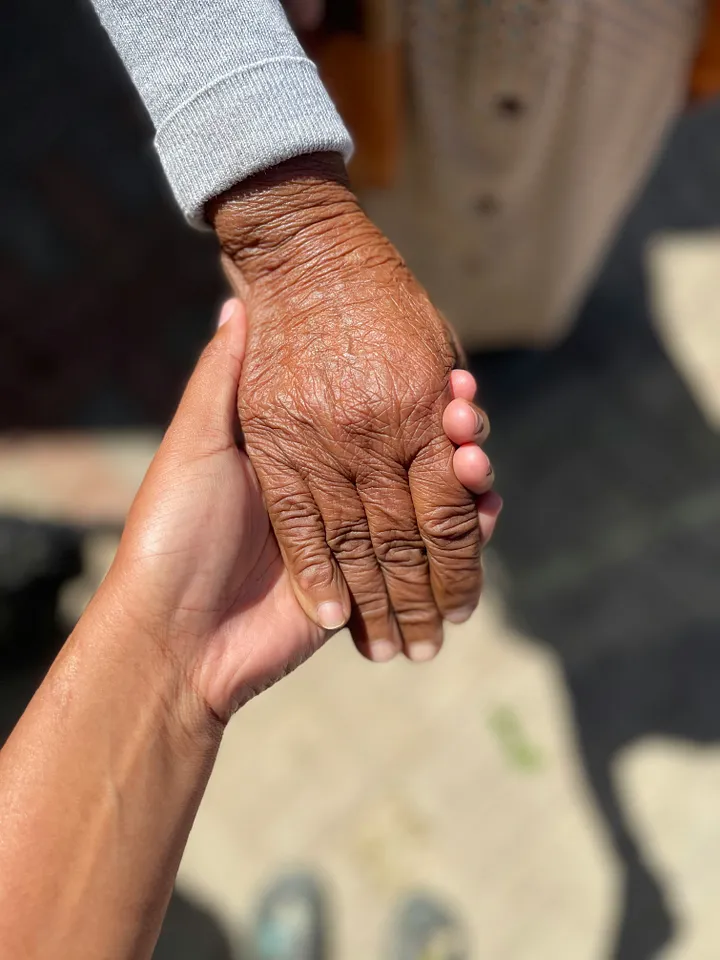
3 Tips for How to Get Help from Parents, Kids, and Siblings for a Loved One Who is Sick
Caring for a loved one who is sick can be an overwhelming and challenging experience. It’s important to remember that the burden of care should not fall on one person alone. Involving everyone in the family can make a significant difference in managing the responsibilities and ensuring the well-being of both the caregiver and the person in need. Here are three tips on how to get help from parents, kids, and siblings:
-
Share the Responsibility
The burden of caring for a loved one should be shared among all family members. It’s crucial to involve everyone in the family and not allow anyone to dodge responsibility. Each family member can spare some time to help out, whether it’s running errands, preparing meals, or providing emotional support. By distributing the tasks, the primary caregiver can have some time for themselves, which is essential for maintaining their own health and well-being. Remember, you’re not asking for something unreasonable; it’s a collective effort to ensure the best care for the loved one.
-
Communicate and Plan
Effective communication is key to organizing care for a loved one. Sit down with your family and work out financial arrangements, roles, and responsibilities. Discuss who will handle specific tasks and how everyone can contribute. This planning session can help avoid misunderstandings and ensure that everyone is on the same page. It’s also important to address any concerns or hesitations family members might have and find solutions together. Clear communication and planning can make the caregiving process smoother and more efficient.
-
Take Care of Yourself
If you intend to be the primary caregiver, it’s vital to take care of your physical, mental, and spiritual needs. Caring for a loved one can be physically and emotionally draining, and neglecting your own well-being can lead to burnout. Make sure to set aside time for self-care activities, such as exercise, meditation, or hobbies that you enjoy. Seek support from friends, support groups, or professionals if needed. Remember, you can’t provide the best care for your loved one if you’re not taking care of yourself. Don’t be afraid to ask for help; it’s not a sign of weakness but a necessary step to ensure that you can continue to provide the best care possible.